If you have any safeguarding concerns or are worried about what a child or adult says or does, please report to a member of the safeguarding team as soon as possible.


Our safeguarding curriculum is designed to equip pupils with the knowledge, skills and confidence they need to stay safe, healthy and happy, both in school and beyond.
It is delivered through PSHE, assemblies, enrichment opportunities, workshops and everyday learning experiences, ensuring that safeguarding themes are woven throughout school life.
We have five key safeguarding themes, Mental Health and Wellbeing, Relationships, Online Safety, Citizenship and Economic Wellbeing which are outlined below.
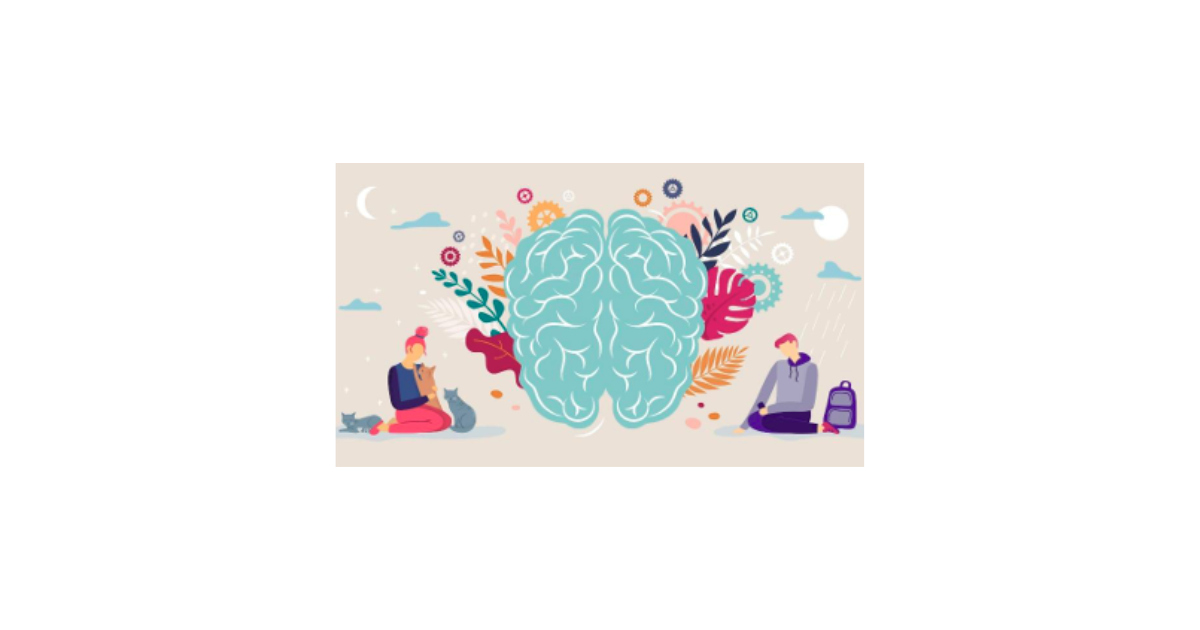
Mental Health and Wellbeing is a significant contextual concern within our school community, as many of our pupils face a range of social, emotional, and environmental challenges that impact their overall safety, engagement, and ability to thrive.
In response, our safeguarding curriculum places a strong emphasis on promoting positive mental health, recognising the importance of early intervention and resilience-building. This is addressed explicitly through PSHE lessons and targeted workshops, and is also embedded implicitly across the wider curriculum and school culture to ensure a consistent and supportive approach.
We place a strong emphasis on supporting pupils’ emotional wellbeing and helping them develop resilience. Through our My Happy Mind programme, PSHE lessons and wider school culture, children learn to understand their emotions, build positive habits for mental wellbeing and know when and how to seek help.
The rise in domestic abuse reporting within our school community highlights the urgent need to address healthy and respectful relationships as a safeguarding priority.
Our curriculum responds to this by ensuring that pupils are equipped with the knowledge and understanding to recognise the signs of unhealthy relationships and to know where and how to seek support.
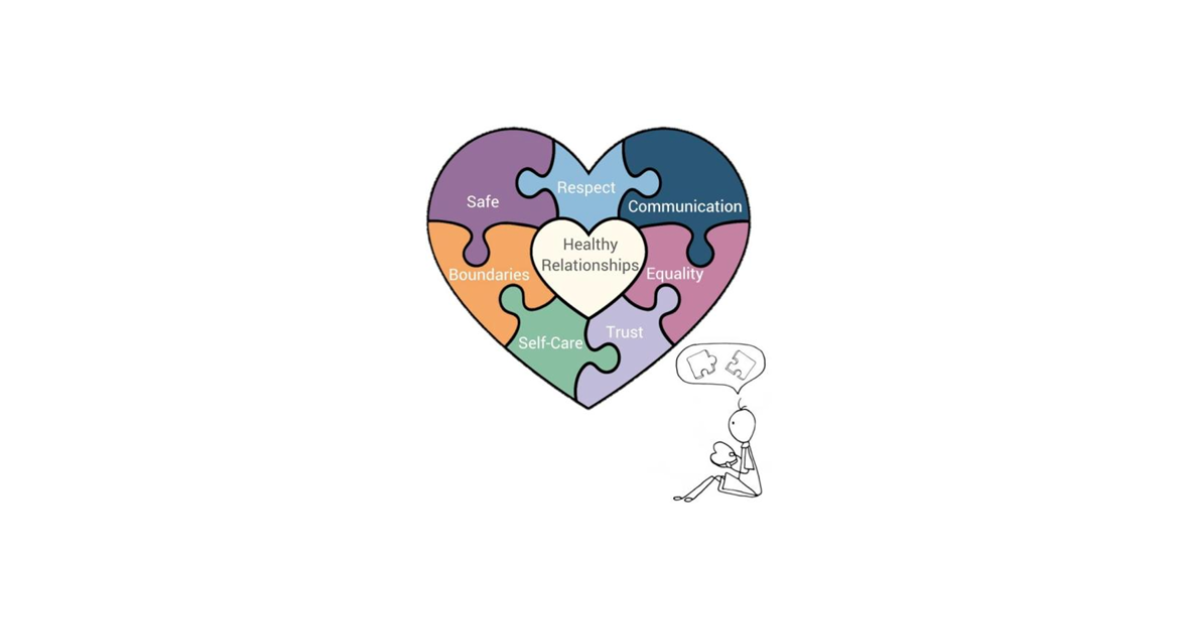
Children are taught how to build healthy, respectful relationships and recognise behaviours that are unsafe or harmful. Relationships education helps pupils develop empathy, set boundaries, communicate effectively and understand where to access support when needed.
Relationships education is carefully woven into PSHE and pastoral programmes, supported by external workshops where appropriate, to help pupils develop empathy, boundaries, and respectful communication. This proactive approach is essential in helping pupils navigate their personal relationships safely and supports our wider aim of building a school culture rooted in respect and care.
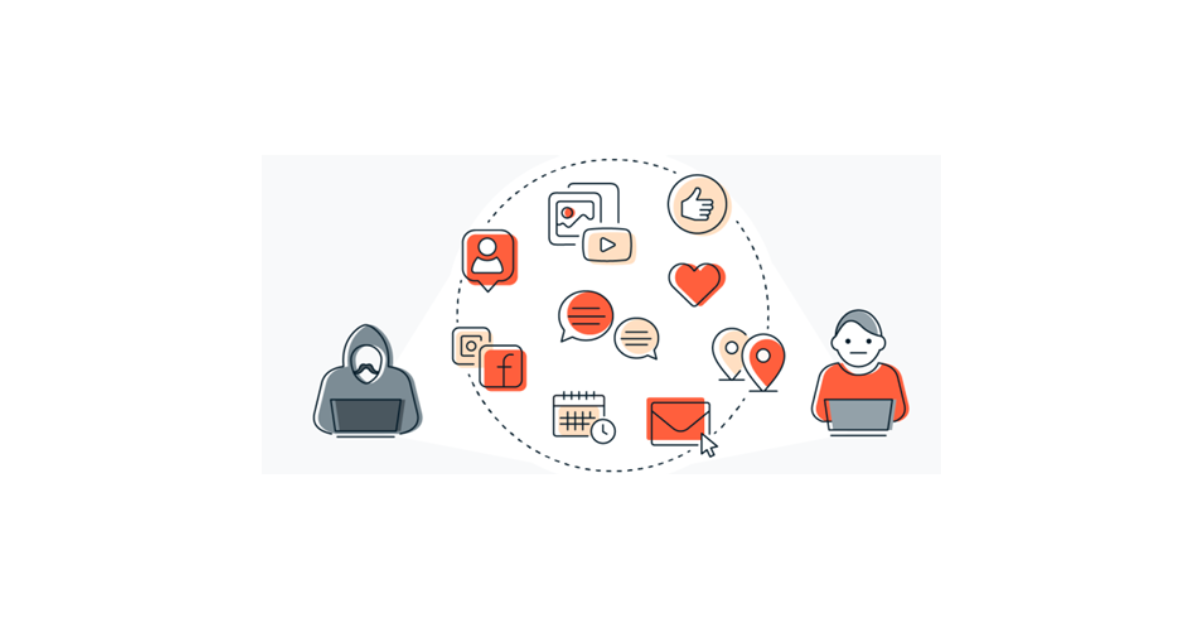
As children spend more time online, developing digital resilience is increasingly important. Our curriculum teaches pupils how to stay safe online, manage risks, respond to cyberbullying, protect personal information and make responsible choices when using technology, social media and online games.
The academy recognises the complex risks associated with this, including exposure to inappropriate content, cyberbullying, and online grooming, and addresses these through a dedicated online safety strand in the curriculum. There is a clear focus on helping pupils develop digital resilience, understand appropriate online behaviour, and make informed choices.
This is reinforced through parent workshops and communications to support families in monitoring and guiding their children’s online activity. Online safety education is closely linked to relationships and emotional wellbeing, recognising the significant overlap between these areas in the lives of our pupils.
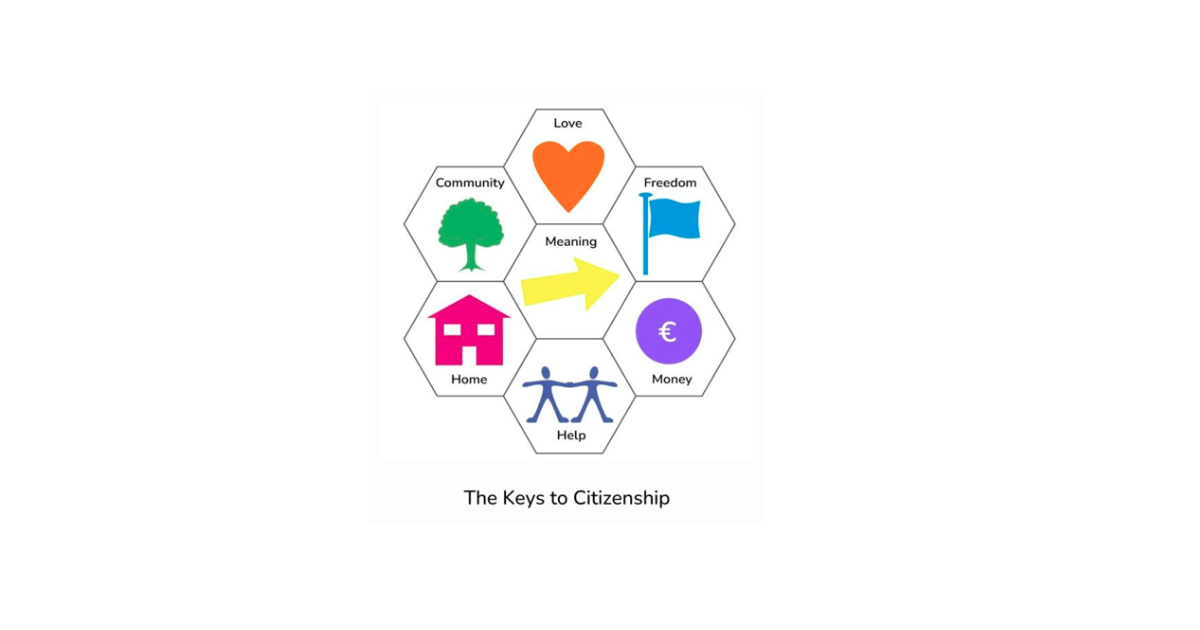
We encourage pupils to become active, responsible members of their communities. Through learning about democracy, equality, rights and responsibilities, pupils develop the confidence to use their voice, challenge injustice and make positive contributions to society.
In our school community, Citizenship education plays a vital role in fostering empowerment and social awareness among pupils.
Historically, many pupils have felt disconnected from their community and uncertain about their ability to influence change. Our curriculum actively challenges this by promoting pupil voice, democratic engagement, and a strong sense of social responsibility.
Through both taught lessons and active participation opportunities, pupils are encouraged to challenge inequality, recognise injustice, and understand their role in society. This directly supports our academy vision, helping pupils to grow in confidence, develop leadership skills, and understand how they can contribute meaningfully to their community and hold others—particularly those in
positions of authority—to account.
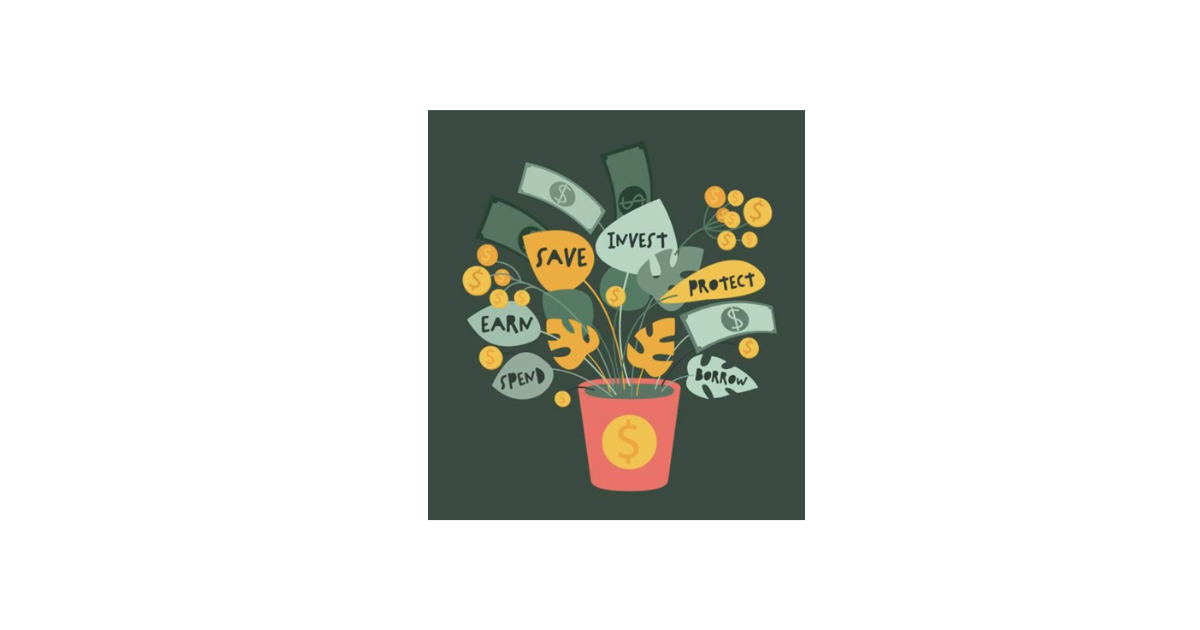
Children learn practical life skills that help prepare them for the future, including budgeting, saving and understanding the value of money. By developing financial awareness and resilience, pupils are better equipped to make informed decisions and manage future challenges.
Pupils have expressed a strong interest in understanding more about money management, financial decision-making, and economic resilience. In response, the curriculum includes specific content on budgeting, saving, and understanding the value of money, helping to equip pupils with practical skills for life.
This focus not only supports future independence but also helps to reduce anxiety around financial uncertainty. By fostering economic awareness and capability, the academy ensures that pupils are better prepared to navigate financial challenges now and in the future.
Our safeguarding curriculum is carefully planned from Reception to Year 6, ensuring that learning is age-appropriate and builds year on year. Key topics include mental health, healthy lifestyles, friendships, family relationships, online safety, personal safety, first aid, financial education, citizenship, relationships and sex education (RSE), transition and preparing for the future.
Safeguarding is strengthened through a wide range of enrichment opportunities, including Safer Internet Day, Anti-Bullying Week, road safety initiatives, careers education, visits, workshops, pupil leadership opportunities and community engagement projects. These experiences help pupils apply their learning in meaningful, real-world contexts.
By combining explicit teaching with enrichment and a strong culture of care, our safeguarding curriculum empowers children to make safe choices, develop positive relationships, look after their wellbeing and become confident, responsible citizens.
All policies relating to safeguarding are kept in the school office and are available on request or visit the Policies and Documents page of the website.
Policies and Statutory Information
We also have an extensive team of qualified first aiders.